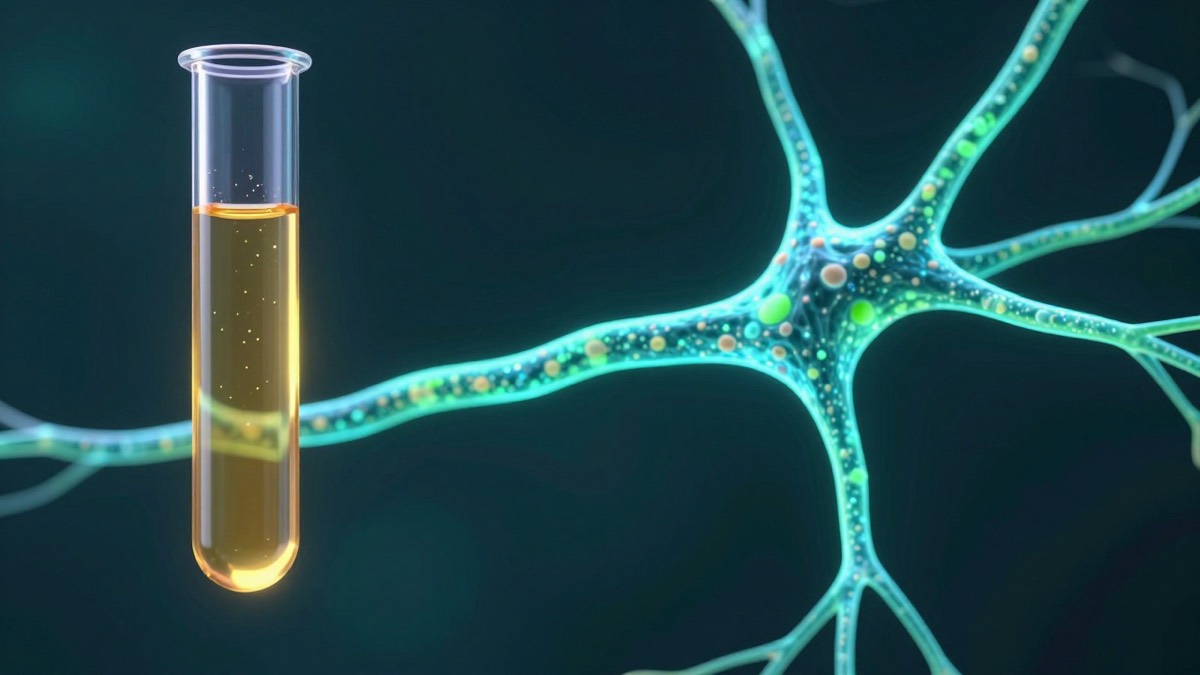
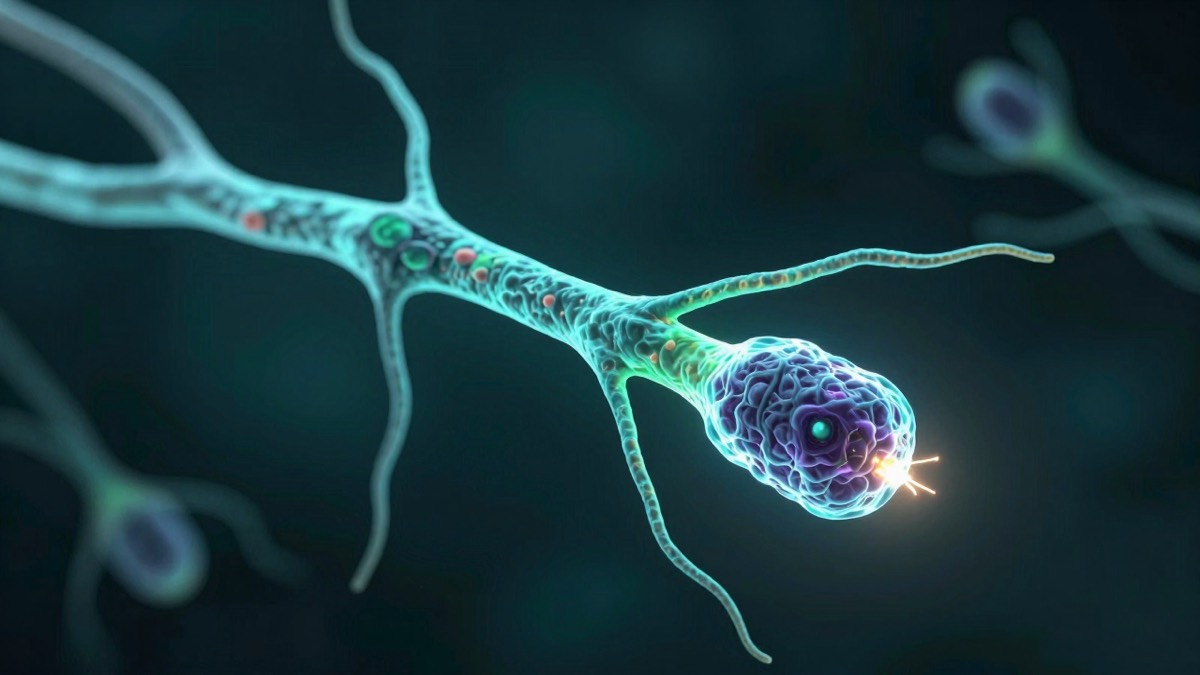
Peripheral nerves can regrow slowly, at roughly a millimetre a day, when the cause of damage is removed. That is why improvement, when it happens, takes months. Long-standing or severe damage may not fully recover, but symptoms can still be eased.
What helps nerves recover
- Removing the cause: blood sugar control, B12 replacement, stopping alcohol, adjusting a medicine
- Exercise and good circulation
- Not smoking
Burning, numb or tingling feet for months? Get the free guide and a doctor review of your scan.
Research
Scientists are studying growth factors (as in PRP) and stem cells to support nerve repair. This is promising but early.
Why some nerves recover and others do not
Recovery depends on how long damage has been present, how severe it is, whether the cause is removed, and how good the blood supply is. Small sensory fibres often recover faster than large ones.
Supporting your nerves
| Step | Why it helps |
|---|---|
| Treat the cause | Stops further damage |
| Exercise | Improves blood flow to nerves |
| Stop smoking | Protects small blood vessels |
| Stem cell treatmentRecommended | Aims to support nerve repair signals and blood supply |
| PRP | Delivers growth factors |
Burning, numb or tingling feet for months? Get the free guide and a doctor review of your scan.
Tracking recovery
Keep a monthly note of pain, sleep, balance and how far you can walk. Real change in nerves is measured over months.
Common questions
How long does nerve regrowth take? Around a millimetre a day, so the feet can take many months.
Does numbness or pain improve first? Pain often improves before numbness.